
Political Power Struggles has never been static. In 2026, power struggles across nations and governments are becoming more complex, driven by changing public expectations, technology, economic pressures, and global instability.
Politics today is no longer limited to elections alone it is a continuous contest of influence.The Nature of Power Struggles in Modern Politics
Power struggles emerge when competing forces seek control over governance, resources, and public narratives. These conflicts can occur within governments, between political parties, or across international borders.Modern power struggles are often subtle, strategic, and long-term.Political Shifts Driven by Public Sentiment
India Viral Hub: The Changing Face of Political Combat
”At India Viral Hub, our analysis of the 2026 political landscape reveals that power struggles are no longer confined to rallies and ballot boxes. We are witnessing the era of ‘Narrative Warfare,’ where data, social media algorithms, and ground-level perception are the new weapons.
Our editorial team believes that the struggles we see today in 2026 are a result of the clash between traditional grassroots politics and a new, hyper-connected digital electorate. The winner won’t just be the one with the most votes, but the one who controls the ‘digital truth’ of the nation.”
Public opinion plays a central role in reshaping political landscapes. Voters are more informed, vocal, and digitally connected than ever before. Governments now face constant public scrutiny through social media and independent digital platforms.
Political legitimacy increasingly depends on transparency and accountability.The Role of Technology and Media
Technology has transformed political influence. Digital campaigns, data analytics, and AI-driven messaging now shape voter behavior and political narratives. Media control and information warfare have become key tools in modern power struggles.Politics is now fought as much online as it is in parliament.Global Power Realignments
In 2026, global politics is witnessing shifting alliances and emerging power centers. Economic strength, military capability, and technological leadership define a nation’s influence. Traditional power structures are being challenged by new players on the global stage.The balance of power is constantly evolving.Democracy, Authority, and the Road Ahead
Political Power Dynamics: 2022 vs. 2026
| Factor | Traditional Power (2022) | 2026 Power Struggle (IVH Insight) |
|---|---|---|
| Communication | TV & Public Rallies | Targeted AI-Driven Social Campaigns |
| Coalition Base | Ideological Alliances | Issue-Based & Regional Pragmatism |
| Voter Reach | Door-to-Door Canvassing | Hyper-Local Digital Communities |
| Key Issues | Grand Promises | Immediate Delivery & Tech-Transparency |
As power struggles intensify, democratic systems face new challenges. Maintaining institutional integrity, protecting civil liberties, and ensuring fair governance remain critical. The future of politics will depend on how societies manage power responsibly.Strong institutions matter more than strong individuals.
These political shifts cannot be separated from rapid technological escalation.
Our in depth analysis on the AI Tech War 2026 explains how artificial intelligence is transforming geopolitics, surveillance, and economic control.
Political Power Struggles are becoming one of the defining forces of the modern world. In 2026, power is no longer exercised only through elections or military strength it is shaped by public sentiment, technology, economic pressure, and global instability. Across nations, governments are facing constant challenges to authority, legitimacy, and influence.
The Changing Nature of Political Power
At the heart of Political Power Struggles lies a shift in how power is gained and maintained. Traditional power structures based on hierarchy and institutions are increasingly challenged by decentralized movements, independent media, and digitally connected citizens.
Power today is fluid. It moves faster than laws can adapt and often operates beyond visible political systems.
What Drives Political Power Struggles in 2026
Several forces are intensifying Political Power Struggles worldwide:Rapid technological Advancement economic inequality and Inflation polarized public Opinion declining trust in Institutions global crises such as climate change and conflict These pressures create constant tension between governments, political groups, and citizens.
Public Sentiment as a Source of Power
One of the strongest drivers of Political Power Struggles is public opinion. Voters are more informed, vocal, and digitally active than ever before. Social media platforms and independent digital outlets amplify voices that were once ignored.
Political legitimacy increasingly depends on transparency, accountability, and public engagement rather than authority alone.
The Role of Technology and Media
Technology has transformed Political Power Struggles into a continuous battle for narratives. Digital campaigns, data analytics, and AI-driven messaging now shape political behavior.
Key impacts include:
Rapid spread of political messaging
Information warfare and misinformation
Influence beyond national borders
Declining control of traditional media
Politics today is fought as much online as it is in parliaments.
Leadership, Identity, and Power
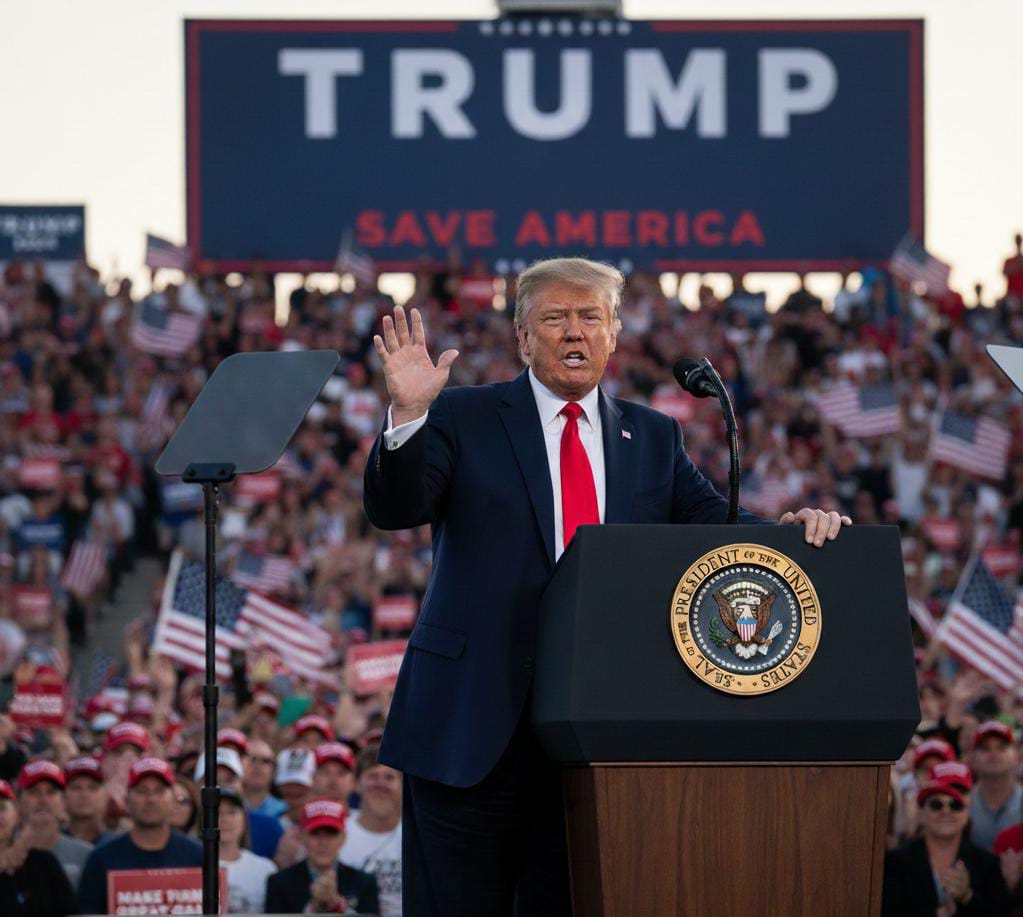
Modern Political Power Struggles are also personality-driven. Leaders symbolize broader ideological conflicts. For example, figures like Donald Trump reflect deeper divisions within society rather than isolated political movements.
Leadership has become inseparable from identity, emotion, and perception.
Global Power Realignments
In 2026, Political Power Struggles are not limited to individual countries. Global power is shifting as emerging economies challenge traditional dominance. Economic strength, technological leadership, and strategic alliances now determine influence.
Old power centers are being questioned, and new players are reshaping the global balance.
Economic Pressure and Political Stability
Economic instability intensifies Political Power Struggles. Rising costs of living, unemployment, and resource scarcity weaken political trust. Governments face increasing pressure to deliver results while managing global uncertainty.
Economic stress often fuels protests, ideological shifts, and political fragmentation.
Democracy Under Pressure
Many Political Power Struggles test the resilience of democratic systems. When institutions fail to respond effectively, citizens seek alternatives sometimes outside traditional democratic frameworks.
This creates tension between stability and reform, authority and freedom.
The Future of Political Power
The future of Political Power Struggles will depend on how societies adapt to change. Power will increasingly require:
Credibility over control
Engagement over enforcement
Transparency over secrecy
Political systems that fail to evolve risk losing relevance and legitimacy.
The IVH Verdict: Why Stability Matters More Than Struggle
”While power struggles often dominate the headlines at India Viral Hub, we believe it is crucial to look at what these conflicts mean for the average citizen. In 2026, political instability directly impacts economic policies and investor confidence.
Our practical advice to our readers is to look beyond the noise of the struggle and evaluate leaders based on their long-term vision for India’s digital and social growth. Politics in 2026 is fast, but true progress requires a steady hand. The real ‘Power’ belongs to the informed voter
Conclusion: Political Power in a Changing World
Political Power Struggles in 2026 reflect a world in transition. Power is no longer static it is contested, negotiated, and constantly reshaped. Understanding these struggles is essential to understanding the future of governance, democracy, and global stability.