
Meaning of Flags are far more than pieces of colored fabric. They are powerful symbols of identity, history, belief, and collective emotion. From national pride to social movements, flags communicate messages without words.
In 2026, the meaning and use of flags have evolved even further, expanding into digital spaces, online culture, and global movements.This article explores what flags represent, how their meanings are formed, and why they still matter in today’s modern world.
India Viral Hub: The Evolution of Visual Identity in 2026
”At India Viral Hub, our 2026 analysis of global symbols suggests that a flag is no longer just a piece of cloth; it is a ‘Digital and Cultural Signature.’ In an era of globalization, the meaning of flags is evolving to represent not just territory, but shared values like sustainability and unity.
Our editorial team believes that understanding these symbols is key to global communication. We argue that the ‘Vexillology’ (study of flags) of 2026 is moving toward minimalist designs that speak a universal language of peace and progress.”
The Historical Importance of Flags Historically, flags were used to identify armies, territories, and rulers. On battlefields, flags helped soldiers recognize allies and leaders. Over time, they became symbols of nations, independence, and unity.Many of today’s national flags were born during revolutions, freedom struggles, or significant political changes. Each design reflects a country’s past, values, and aspirations.
The importance of symbols shifts alongside worldwide changes, as detailed in latest events 2026: powerful and critical global developments explained
What Do Flag Colors and Symbols Mean?Every color and symbol on a flag is chosen deliberately.Common Color Meaning red: Courage, sacrifice, revolution, or Danger white: Peace, purity, Honesty blue: Freedom, loyalty, Stability green: Growth, land, prosperity, Environment black: Strength, resistance, Remembrance symbols on Flag stars: Unity, guidance, Ideals animals: Power, bravery, Heritage geometric shapes: Balance, equality, Order while meanings can differ by culture, symbolism plays a key role in how flags are understood.
National Flags and Identity National flags are the strongest representation of a country’s identity. They unite people during celebrations, sports events, and times of crisis. A flag often becomes a symbol of emotional connection for citizens living abroad.In 2026, national flags continue to represent sovereignty, but they are also used digitally in online profiles, virtual events, and international digital platforms.
The Universal Language of Colors: 2026 Interpretations
| Common Color/Symbol | Traditional Meaning | 2026 Modern Context (IVH Insight) |
|---|---|---|
| Saffron/Orange | Courage & Sacrifice | Energy & Innovative Spirit |
| Green | Prosperity & Agriculture | Sustainability & Ecological Balance |
| Blue | Sky & Sea | Digital Connectivity & Global Peace |
| White | Peace & Truth | Transparency & Ethical Future |
National Flags and Identity National flags are the strongest representation of a country’s identity. They unite people during celebrations, sports events, and times of crisis. A flag often becomes a symbol of emotional connection for citizens living abroad.
In 2026, national flags continue to represent sovereignty, but they are also used digitally in online profiles, virtual events, and international digital platforms.
Flags Beyond Nations: Social and Cultural Flags Flags are no longer limited to countries. Many communities and movements use flags to express identity and beliefs.Examples include:Social justice and equality movements Cultural and heritage flags Environmental awareness symbols Political protest flags These flags help people visually express shared values and solidarity.
Red Flag and Green Flag Culture in 2026 In modern language, especially on social media, flags have taken on metaphorical meanings.Red Flag 🚩: Warning signs in behavior, relationships, or systems Green Flag 🟢: Positive traits, trust, safety, or Approval in 2026, this “flag language” is widely used in discussions about relationships, workplaces, mental health, and even technology.
Flags in the Digital World digital platforms have transformed how flags are used and seen:Emojis representing national and symbolic flags Flags used in online activism and awareness campaigns Virtual flags in gaming, metaverse environments, and esports Flags now exist both physically and digitally, expanding their reach and influence.
In the digital age, gaming culture is also giving birth to new symbolic identities; explore more at gaming platforms 2026: how digital ecosystems are redefining play
Why Flags Still Matter Today Despite technological advancement, flags remain relevant because they:Create a sense of Belonging represent shared history and Values communicate messages instantly Unite people across borders and culture sA flag can inspire pride, protest, hope, or remembrance all without a single spoken word.
Conclusion in 2026, flags continue to be powerful symbols connecting the past with the present. Whether flown on a pole, shared online, or used as a metaphor, flags represent identity, belief, and collective emotion. Understanding what flags represent helps us better understand cultures, movements, and the world around us.Flags may change in form, but their meaning remains deeply human.
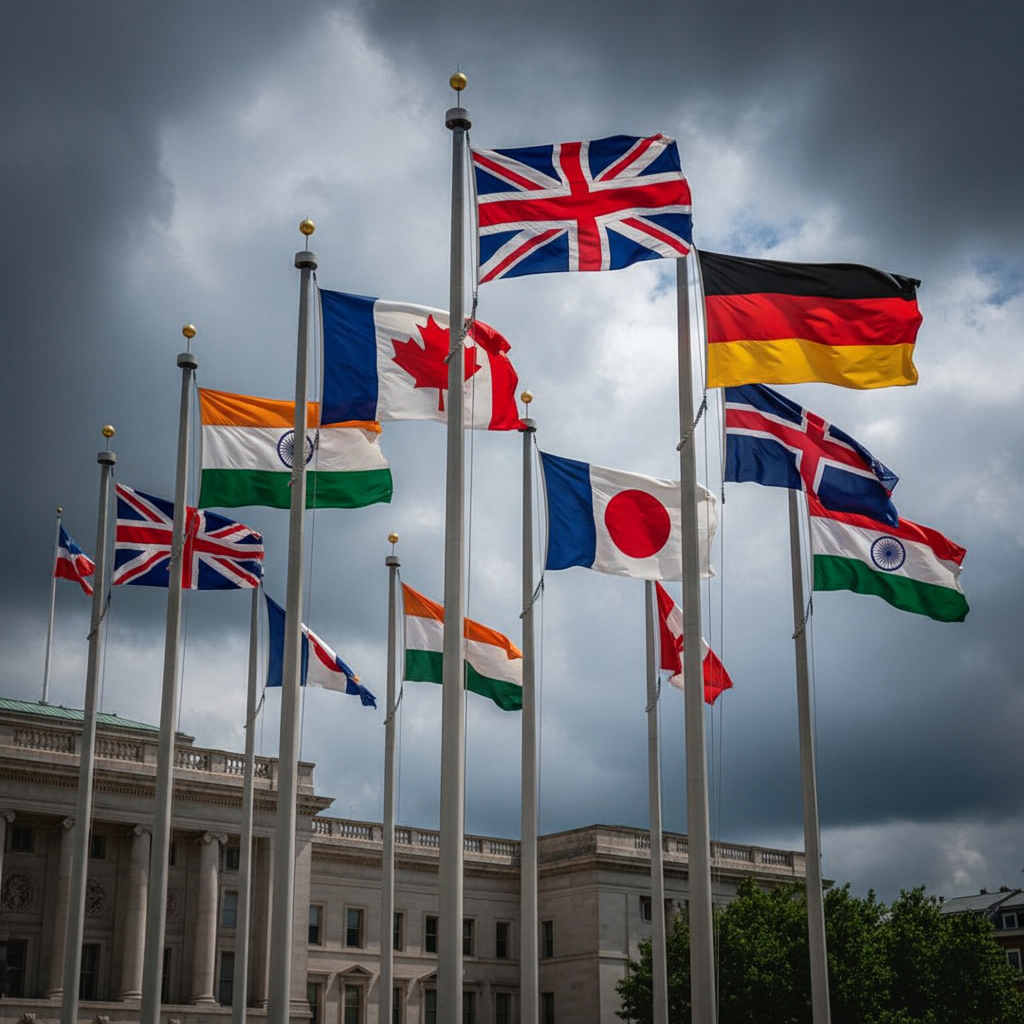
Meaning of Flags in 2026 goes far beyond cloth and color. In a world driven by digital communication and fast-changing identities, flags continue to serve as powerful visual language. They communicate values, emotions, unity, resistance, and belonging without a single spoken word.
High-tech experiences are often influenced by cultural icons and heritage, such as those in console optimized pc games 2026: best smooth and powerful gaming experience
Meaning of Flags in National Identity
Meaning of Flags is deeply tied to national identity. A national flag represents sovereignty, shared history, and collective memory. In moments of celebration, crisis, or protest, flags become emotional anchors that unite people across regions and generations.
In 2026, national flags are no longer limited to physical spaces. They exist across social media, digital events, online profiles, and global platforms, extending their influence beyond borders.
Through Colors and Symbols
Meaning of Flags is shaped by deliberate design choices. Every color and symbol carries intention:
Red often represents courage, sacrifice, or revolution
White symbolizes peace, honesty, or unity
Green reflects growth, prosperity, or nature
Blue conveys trust, stability, or freedom
Black can signify strength, remembrance, or resistance
Symbols such as stars, animals, geometric shapes, or religious icons further deepen interpretation. While meanings vary by culture, symbolism plays a universal role in how flags are understood.
Beyond Nations
Meaning of Flags has expanded beyond countries. In 2026, flags are widely used by social movements, communities, and ideologies. Pride flags, environmental flags, political protest flags, and cultural heritage flags visually express shared beliefs and struggles.
These flags create instant recognition and emotional alignment among supporters.
Digital Culture
has adapted to the digital age. Emojis, profile banners, virtual event backdrops, and gaming environments now feature flags as symbolic tools. Digital flags help individuals express identity, solidarity, or stance in online spaces.
This evolution proves that symbolism adapts, but its emotional power remains intact.
Red Flags and Green Flags: Modern Metaphors
Meaning of Flags has also entered everyday language. In modern culture:
Red flags indicate warnings or unhealthy behavior
Green flags represent trust, safety, or approval
In 2026, these metaphors are commonly used in discussions around relationships, workplaces, mental health, and technology. This linguistic shift shows how deeply flag symbolism has integrated into human communication.
Our daily lifestyle and financial choices are also a part of our broader identity, as discussed in smart budget lifestyle 2026: simple and powerful money planning that works
Why Meaning of Flags Still Matters Today
Despite technological advancement, Meaning of Flags remains relevant because flags:
Create belonging
Preserve history
Communicate values instantly
Unite people across differences
Inspire pride, protest, or remembrance
Flags speak when words fail.
Human Emotion
Meaning of Flags is ultimately emotional. A flag can inspire hope, courage, resistance, or comfort. Whether raised during victory, lowered in mourning, or displayed in protest, flags connect individuals to something larger than themselves.
The IVH Verdict: Why Flags Still Matter in a Digital World?
”We often get asked at India Viral Hub: In a world of digital icons, do physical flags still have meaning? Our answer is More than ever. A flag is a story told without words. Our practical advice for our readers? Next time you see a flag, look beyond the design.
Look for the ‘hidden history’ of the people it represents. In 2026, respect for a flag is respect for the diversity that makes our world beautiful. At IVH, we believe that understanding our differences through these symbols is the first step toward a united future.”
Final Thoughts
Meaning of Flags in 2026 proves that symbols never lose relevance they evolve. From national pride to digital expression, flags continue to represent identity, belief, and collective emotion.
Understanding the meaning of flags helps us better understand cultures, movements, and humanity itself.
Flags may change in form, but their meaning remains deeply human.
Global identity today is defined by both our traditional icons and the rapid advancements in technology, such as the ones seen in ai smartphones 2026: smart revolution transforming everyday life