
Climate Change Reality 2026: Climate change is no longer a subject confined to scientific reports or distant future projections. Its presence is increasingly visible in everyday life, shaping weather patterns, food systems, urban living, and economic stability across the world. What was once discussed as a long-term environmental concern has become a present-day reality influencing decisions at every level of society.
Across continents, climate-related disruptions are growing in both frequency and intensity. Extended heatwaves place pressure on cities and energy systems, unpredictable rainfall affects agriculture, and extreme weather events disrupt transportation and supply chains. These developments are not isolated incidents but signals of a broader shift in the planet’s environmental balance.
The impact of climate change extends far beyond environmental damage. Economic systems are particularly sensitive to instability in climate conditions. Rising insurance costs, fluctuating food prices, and changing energy demands directly affect households and businesses alike. For many communities, adapting to these changes has become a practical necessity rather than a theoretical discussion.
India Viral Hub: Decoding the 2026 Climate Reality
”At India Viral Hub, our analysis of the 2026 climate data reveals a sobering truth: we are no longer ‘predicting’ a crisis; we are living in it. The ‘Reality’ of 2026 is defined by the loss of predictable seasons, which directly impacts India’s food security and urban health.
Our editorial team believes that understanding this reality is the first step toward resilience. This isn’t just an environmental report; it’s a critical look at how our daily lives in India must adapt to a permanently altered landscape.”
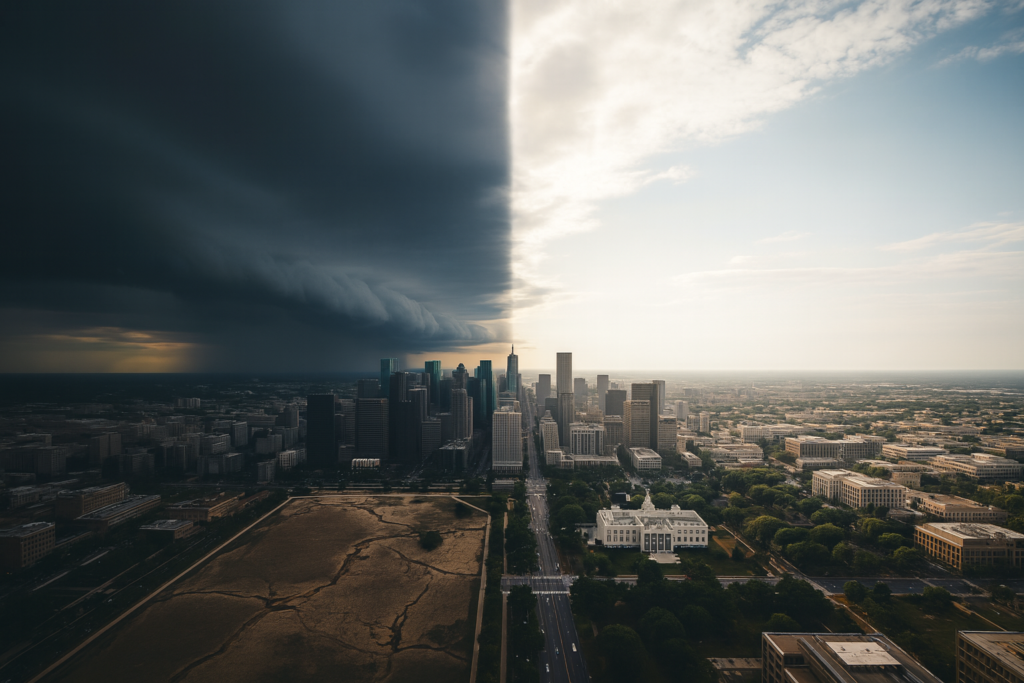
While climate change is often framed within political debates, its consequences reach well beyond policy discussions. Urban planners, industries, and local governments are increasingly forced to rethink infrastructure, resource management, and long-term growth strategies.
The focus is gradually shifting from debating causes to managing consequences.Technological advancement has introduced new tools for monitoring, forecasting, and mitigating climate-related risks. Renewable energy systems, data-driven climate models, and sustainable design practices offer pathways toward greater resilience.
However, technology alone cannot resolve challenges that are deeply connected to consumption patterns, population growth, and resource distribution.Human behavior is also shaped by environmental change. Migration trends, employment patterns, and living conditions evolve as regions become less predictable or less habitable.
These shifts influence social structures and place additional demands on governance and planning systems worldwide.Climate change does not present a single moment of crisis followed by resolution. It represents an ongoing condition that will continue to influence how societies organize, build, and sustain themselves.
The challenge ahead lies not only in prevention but in thoughtful adaptation developing systems that balance progress with responsibility in an increasingly uncertain environmental landscape.
Climate change reality 2026 is no longer a distant scientific warning it is a lived human experience. Across the globe, extreme heat, unpredictable rainfall, floods, droughts, and rising sea levels are reshaping how societies function daily. What once seemed gradual has now become immediate and unavoidable.
Climate Change Reality 2026 and the New Normal
Climate change reality 2026 has created a new environmental normal where stability is rare. Cities face prolonged heatwaves, rural regions struggle with water scarcity, and coastal communities prepare for permanent displacement. These changes are not temporary disruptions but structural shifts in Earth’s systems.
Impacting Global Economies
Climate change reality 2026 is placing shocking pressure on global economic systems. Agriculture faces declining yields, insurance industries report record losses, and energy demand surges due to rising temperatures. Economic planning now must account for climate instability as a central risk factor.
Climate Change Reality 2026 and Food Security
Climate change reality 2026 directly threatens global food supply chains. Erratic weather patterns disrupt planting cycles, reduce crop reliability, and increase food prices. For millions, access to basic nutrition is becoming uncertain, turning climate change into a humanitarian issue, not just an environmental one.
Driving Human Migration
Climate change reality 2026 is accelerating climate-driven migration. Communities forced from coastal areas, drought-hit farmlands, and disaster-prone zones are moving toward cities and safer regions. This mass movement challenges housing systems, employment markets, and social stability worldwide.
Climate Change Reality 2026 and Mental Health
Climate change reality 2026 is also creating a silent psychological crisis. Constant exposure to environmental disasters, uncertainty about the future, and loss of natural spaces contribute to widespread eco-anxiety. Mental health resilience is now an essential part of climate adaptation.
Technology Limits
Climate change reality 2026 shows that technology alone cannot save the planet. While renewable energy, climate modeling, and monitoring tools help manage risks, they cannot compensate for overconsumption, waste, and unsustainable lifestyles. Behavioral change is just as critical as innovation.
| Climate Indicator | 2020 Observations | 2026 Reality (IVH Analysis) |
|---|---|---|
| Heatwave Frequency | 5-10 Days/Year | 20-25 Days/Year in North India |
| Monsoon Pattern | Moderate Variations | Extreme ‘Flash’ Rainfall Events |
| Air Quality (AQI) | Seasonal Crisis | Year-round Monitoring Required |
| Glacial Melt Rate | Accelerated | At Critical ‘Tipping Point’ Levels |
Human Responsibility
Climate change reality 2026 demands responsibility rather than denial. Governments must enact long-term policies, industries must adopt sustainable practices, and individuals must rethink daily habits. Climate action is no longer optional activism it is global responsibility.
Defining the Future
Climate change reality 2026 represents one of the most defining challenges in human history. The future will belong to societies that adapt intelligently, cooperate globally, and balance progress with environmental limits. Ignoring reality only increases the cost of survival.
Reality’ on the Ground: India 2026
”What does 2026 climate reality look like for a common Indian? It’s the record-breaking summer in Delhi, the unexpected floods in Bangalore’s tech hubs, and the changing crop cycles in Punjab. At India Viral Hub, we argue that the ‘Reality’ of 2026 demands a shift from ‘Global Talk’ to ‘Local Action.’ We must prioritize heat-resilient infrastructure and water conservation as fundamental rights to survive this new climate era.”
Final Thought
Climate change reality 2026 is shocking, unavoidable, and already shaping the world we live in. The question humanity now faces is not whether climate change is real but whether we choose to respond with awareness, courage, and collective action.
Reader Interaction: “Have you noticed a significant change in the weather patterns in your city this year? Share your local climate observations with us in the comments. Let’s document the 2026 reality together.”