
Voter Turnout Policies Voter turnout is one of the most powerful indicators of a democracy’s health. In 2026, participation in elections is no longer influenced only by political loyalty, but by how inclusive, responsive, and relevant government policies feel to citizens.When people vote, they express trust.
When they don’t, they send a warning.Voter Turnout as a Measure of Policy Relevance
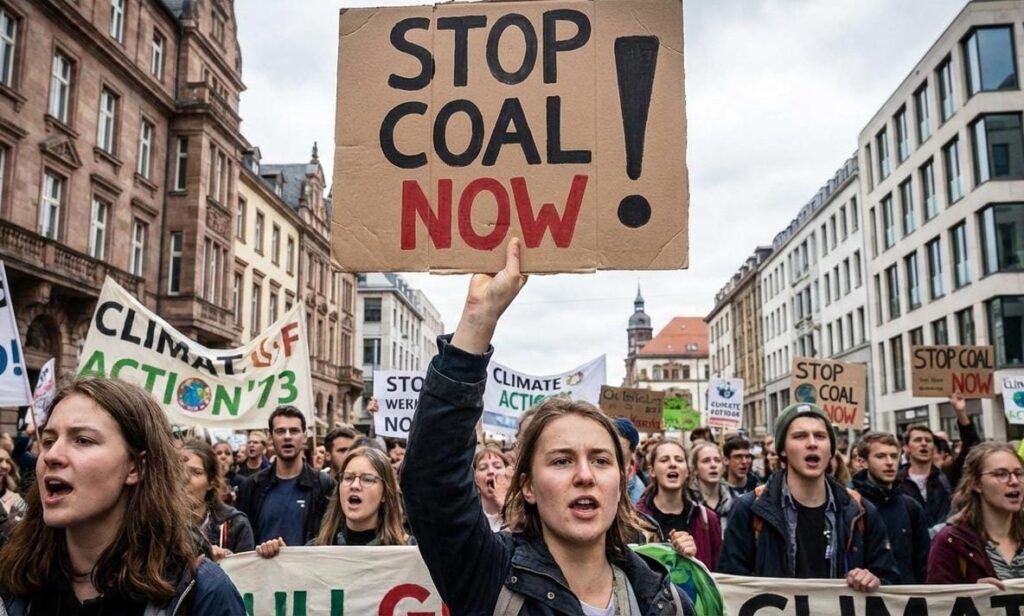
High voter turnout often reflects policies that address real concerns such as employment, inflation, education, healthcare, and digital rights. Low turnout, on the other hand, signals voter disengagement, policy disconnect, or lack of trust in political institutions.Elections today are referendums on governance.Inclusion Determines Participation
Inclusive policies that recognize youth, women, minorities, and economically weaker sections tend to increase electoral participation. When voters feel represented in decision-making, they are more likely to engage in the democratic process.Exclusion breeds apathy. Inclusion builds legitimacy.Youth Voters and the Engagement Gap
Young voters in 2026 are digitally informed but politically skeptical. They expect transparency, measurable outcomes, and future-oriented policies. When governments fail to communicate clearly or address youth concerns, turnout among first-time voters declines sharply.Policy communication is as important as policy intent.Technology, Trust, and Turnout
Social media, AI-driven political messaging, and misinformation have reshaped voter behavior. Inclusive digital policies and transparent governance help counter political fatigue and rebuild trust, directly influencing voter participation.Trust remains the currency of democracy.What Low Turnout Really Means
Low voter turnout should not be dismissed as laziness. It often reflects frustration, lack of meaningful choices, or perception that policies serve only select groups. Governments that ignore turnout trends risk weakening democratic foundations.Democracy survives on participation, not silence.
India Viral Hub: The Evolution of Electoral Participation
”At India Viral Hub, our analysis of the 2026 voter turnout landscape suggests that we are moving beyond just ‘encouraging’ people to vote. We are now in an era of ‘Seamless Democracy,’ where the focus is on removing every micro-barrier from registration hurdles to booth accessibility. Our editorial team believes that the policies of 2026 are not just administrative changes, but a fundamental shift in making the electoral process more inclusive for India’s diverse population, especially the youth and migrant workers.”
Voter Turnout Policies 2026 make it clear that participation is no longer driven by emotional slogans or party loyalty alone. Instead, citizens evaluate whether policies genuinely reflect their lived realities. When governments address real issues such as inflation control, employment security, climate responsibility, healthcare access, and digital rights, voter confidence increases naturally.
Low participation, on the other hand, signals more than apathy. It reflects a growing perception that political systems are disconnected from everyday struggles. In many democracies, declining turnout has become a warning sign indicating that citizens feel unheard, excluded, or manipulated rather than represented.
Inclusion as a Strategic Democratic Necessity
Voter Turnout Policies 2026 emphasize inclusion not as a moral slogan, but as a strategic foundation of democratic stability. Governments that actively involve women, youth, minorities, rural populations, and economically weaker sections see higher engagement levels. Inclusion strengthens legitimacy.
When citizens see themselves reflected in policy decisions, participation becomes meaningful. Conversely, exclusion breeds silence, frustration, and long-term disengagement. Democracies weaken not through protest, but through quiet withdrawal.
Youth Voters and the Trust Deficit
One of the most defining aspects of Voter Turnout Policies 2026 is the behavior of young voters. Digitally informed yet politically skeptical, young citizens demand clarity, transparency, and measurable outcomes. They are less tolerant of vague promises and symbolic gestures.
Governments that communicate clearly using data, timelines, and accountability successfully rebuild youth trust. Where communication fails, first-time voters disengage rapidly, causing long-term participation gaps.
Technology, Transparency, and Turnout
Digital platforms now play a central role in shaping political awareness. Voter Turnout Policies 2026 reflect how technology can either rebuild trust or deepen distrust. Transparent digital governance, open data, and accessible public information empower voters.
However, misinformation, algorithmic manipulation, and opaque decision-making weaken confidence. Citizens participate when they believe systems are fair, not when they feel controlled.
Policy Outcomes Over Political Identity
A defining shift in Voter Turnout Policies 2026 is the movement away from identity-driven voting toward outcome-based evaluation. Voters increasingly judge governments on delivery rather than ideology.
Economic resilience, environmental responsibility, social equality, and crisis management now outweigh symbolic nationalism or ideological branding. Elections have become referendums on performance.
| Feature | Earlier Approach | 2026 Policy Vision (IVH Insight) |
|---|---|---|
| Voter Enrollment | Manual/Periodic Updates | Continuous & Real-time Integration |
| Awareness Drives | General Public Service Ads | Targeted, Data-Driven Outreach |
| Booth Experience | Basic Infrastructure | Enhanced Comfort & Tech-Assistance |
| Migrant Support | Need to Travel to Home Base | Facilitated Voting Improvements |
What Low Turnout Really Warns Governments About
Low voter turnout should not be dismissed as laziness or indifference. Voter Turnout Policies 2026 show that it often reflects frustration, lack of meaningful choices, or disbelief in institutional sincerity.
Governments that ignore turnout warnings risk eroding democratic foundations. Participation thrives where citizens feel respected, informed, and empowered not managed.
The Future of Democratic Engagement
Voter Turnout Policies 2026 signal a clear message: democracy survives through participation, not control. Inclusive policies, transparent governance, and responsive leadership are no longer optional they are prerequisites.
As societies become more informed and interconnected, voter expectations will continue to rise. Governments that adapt will strengthen democracy. Those that resist will face silence instead of support.
Final Perspective
Voter Turnout Policies 2026 confirm that participation is the ultimate measure of trust. When citizens vote, they express belief in the system. When they stay away, they deliver a verdict.
Democracy does not collapse overnight it fades when voices stop participating. The future belongs to governments that listen before elections, not after them.
Why These Policies Matter for the Common Citizen?
”Policies on paper only succeed when they resonate on the ground. At India Viral Hub, we believe the success of 2026’s turnout will depend on how effectively these rules are communicated at the grassroots level.
It is about moving from ‘The Right to Vote’ to ‘The Ease of Voting.’ For a strengthening democracy like India, every policy tweak mentioned in this article is a step toward ensuring that the pulse of the nation is accurately reflected in the ballot box.”