
Let us have a completely unfiltered, human-to-human conversation today. Today is Sunday, April 19, 2026, and I am sitting right here in Delhi looking at an automotive report that is going to make you extremely angry.
If you just wanted a boring, robotic list of car features, you could have asked any AI tool on the internet. But an AI will never look you in the eye and tell you how massive car corporations are actively playing with your family’s safety.
For the last five years, clever dealership marketing has brainwashed the Indian middle class into taking out massive auto loans for bulky SUVs. We were blindly told that buying a tall, heavy vehicle like the Honda CR-V meant ultimate protection for our wives and kids.
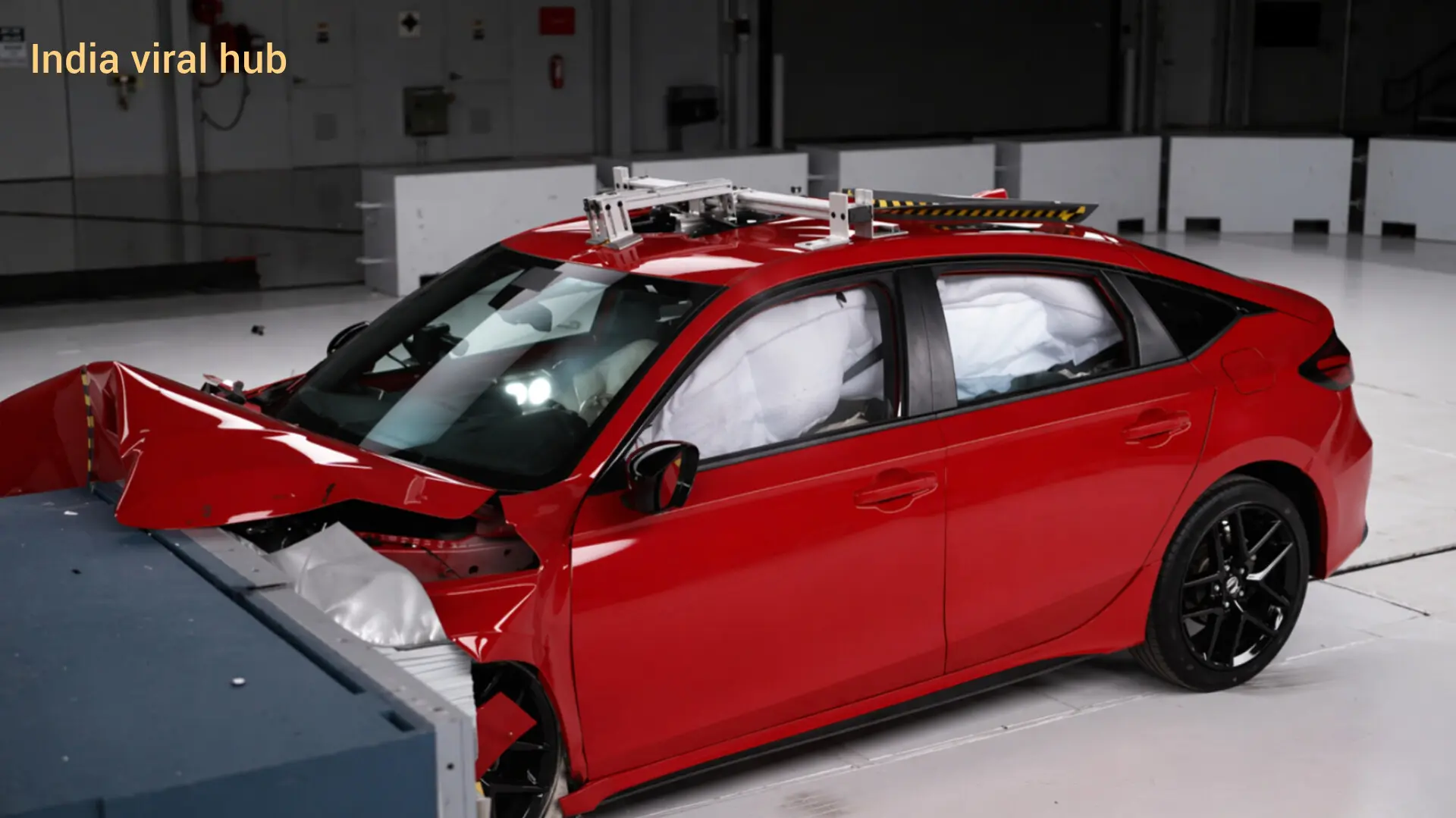
But the fresh Honda Safety Ratings 2026 just dropped from the IIHS, and the reality is an absolute nightmare for SUV owners. This independent crash test specifically targeted the rear passenger seats, where your loved ones actually sit during those long highway road trips.
The results? The towering, expensive Honda CR-V failed miserably, while the lower, sleeker Honda Accord sedan completely destroyed the competition. Dealerships are absolutely terrified today, trying to hide this data before you apply for your next vehicle finance agreement.
Grab your coffee, because we at India Viral Hub are about to brutally expose why your heavy SUV EMI might be funding a rolling death trap. We are going to analyze this fresh April 2026 data and see how it will instantly skyrocket your auto insurance premiums.
(Watch: The official IIHS crash test exposing the rear-passenger safety of the Honda CR-V)
1. The April 2026 Shocker: SUVs Are Failing Our Families
Let us get straight to the brutal truth that showroom managers are sweating over this Sunday morning. The Insurance Institute for Highway Safety (IIHS) recently updated their moderate overlap front crash test to finally include a dummy in the rear seat.
For decades, car companies only cared about securing a 5-star rating for the driver, completely ignoring the structural safety of the back seat. This is where your kids, your elderly parents, or your friends sit while you proudly drive your vehicle financed by a heavy bank loan.
According to the fresh Honda Safety Ratings 2026, the massive Honda CR-V and the immensely popular Civic failed to provide adequate rear passenger protection. The crash energy violently transferred to the back, causing dangerous levels of seatbelt force on the dummy’s chest and excessive head movement.
Meanwhile, the Honda Accord sedan—a car that dealerships actively discourage you from buying—passed with absolute flying colors. It secured the top “Good” rating, proving that you do not need to buy a tall truck to keep your family breathing after a highway collision.
Why are we blindly signing away our CIBIL scores and paying massive EMIs for SUVs that treat our rear passengers like crash-test pinballs? It is time to wake up, look at the actual engineering data, and stop funding corporate greed with our hard-earned personal loans.
Insider Tip: Before you hand over that 50,000 rupee booking amount, demand the salesperson show you the IIHS rear passenger crash video. Watch how fast they try to change the subject.
| Crash Test Metric (April 2026) | Honda CR-V (SUV) | Honda Accord (Sedan) |
|---|---|---|
| Rear Passenger Overall | Marginal (Failed) | Good (Top Tier) |
| Chest Injury Risk | High (Seatbelt tension spikes) | Low (Controlled tension) |
| Head Protection | Poor (Hit the front seat) | Excellent (Stayed clear) |
| Dealership Push | Maximum (High profit) | Minimum (Low commission) |
2. The Dark Physics: Why Your CR-V is a Rear Seat Trap
Let us break down the actual, unfiltered engineering behind this massive failure, without using any boring corporate jargon. When you swipe your credit card for a massive downpayment on an SUV, you are fighting basic laws of physics.
SUVs like the CR-V have a naturally higher center of gravity, making them incredibly unstable and prone to rolling over during emergency braking. To stop the car from flipping over on the highway, engineers install extremely stiff suspension systems that ruin the absorption of crash energy.
When a crash happens, instead of the front crumple zones absorbing the shock, that violent kinetic energy travels straight into the rear cabin. The Honda Safety Ratings 2026 revealed that the rear seatbelt in the CR-V lacked advanced tension limiters, acting like a tight rope across the passenger’s chest.
If your kids are sitting in the back during a 65 km/h crash, that seatbelt pressure alone is enough to cause severe internal injuries. You are essentially taking out a heavy personal loan to buy a vehicle that prioritizes the driver’s survival over the family sitting behind.
This is the dirty little secret that the automotive industry desperately hides while charging you top-tier auto insurance premiums every single year. The CR-V desperately needs a complete structural redesign, and until then, it is absolutely not worth the heavy financial burden of your EMI.
Insider Tip: Never assume a generic “5-Star Global Rating” means your rear passengers are safe. Most old ratings only tested the empty back seat or ignored it entirely.
| Physics Breakdown | The SUV Flaw (CR-V) | The Sedan Advantage (Accord) |
|---|---|---|
| Center of Gravity | Too high (Forces stiff suspension) | Low (Stable and naturally balanced) |
| Crash Energy Path | Bypasses front, hits the rear cabin | Absorbed efficiently by the long hood |
| Rear Seatbelt Tech | Outdated mechanism | Advanced pre-tensioners & limiters |
| Rollover Risk | High (Impacts insurance rates) | Extremely Low |
3. The Accord’s Masterclass: Engineering Done Right
Now, let us talk about the absolute hero of this entire April 2026 safety disaster, the heavily underrated Honda Accord sedan. While the mindless herd is busy securing family car loans for oversized, compromised SUVs, smart entrepreneurs are quietly buying the Accord.
According to the brutal IIHS data, the Accord managed to perfectly control the violent crash energy, keeping the rear passenger dummy firmly secured and safe. The seatbelts in the Accord did not exert lethal pressure on the chest, and the dummy’s head remained perfectly safe from hitting the front seats.
This is precisely why studying the Honda Safety Ratings 2026 is completely mandatory before you let any commercial bank approve your vehicle finance application. Sedans naturally sit closer to the road, allowing engineers to design massive front crash zones that absorb impacts much more efficiently than tall SUVs.
They do not need to fight gravity, which means the energy is dispersed away from the passenger cabin effortlessly, saving lives in real-world accidents. If you are a high-net-worth individual calculating your business tax depreciation, the Accord offers insane safety, luxury, and brilliant driving dynamics.
Why pay a ridiculous monthly EMI for a compromised SUV when the Accord delivers absolute structural perfection at a much better banking interest rate? This IIHS report proves once and for all that the traditional sedan is still the undisputed king of passenger survival.
Insider Tip: Because sedans are statistically safer and less likely to roll over, many banks offer slightly better auto loan interest rates for them.
| Accord Safety Breakdown | Rear Dummy Results | Real-World Translation |
|---|---|---|
| Submarining Risk | Zero | Passengers won’t slide under the belt |
| Head Excursion | Tightly Controlled | Prevents severe brain trauma |
| Chest Compression | Minimal | Protects vital organs during impact |
| Overall IIHS Score | Top Safety Pick+ | Ultimate peace of mind |
4. How This IIHS Data Will Explode Your Insurance Premium
Here is where this engineering debate directly hits your wallet and destroys your monthly credit card statements in 2026. Auto insurance companies do not price their policies based on how aggressively your car looks parked outside your Delhi apartment.
They calculate your yearly premium using hardcore, unarguable actuarial data, and the IIHS crash tests are their absolute holy grail. Now that the Honda Safety Ratings 2026 have publicly exposed the severe rear passenger vulnerabilities in the CR-V, expect insurance rates to skyrocket immediately.
When an insurance underwriter sees a high risk of passenger injury, they instantly bump your comprehensive auto insurance premium into the highest risk tier. You will be stuck paying thousands of extra rupees every single year, completely destroying the financial logic of your vehicle refinancing plan.
Conversely, the Honda Accord is now statistically proven to be a moving fortress, which means insurance providers will eagerly offer you massive premium discounts. If you are smart about your personal finances, you know that saving on recurring insurance costs is just as important as negotiating a low EMI.
Do not let a greedy sales agent trap you in a high-interest car finance deal for an SUV that the insurance industry now views as a massive medical liability. Use this fresh April 2026 data as leverage to negotiate better terms and aggressively protect your hard-earned bank balance.
Insider Tip: Call your insurance agent today. Ask them to run a side-by-side premium comparison between the Accord and the CR-V. The financial difference will shock you.
| Financial Impact | Buying the CR-V (SUV) | Buying the Accord (Sedan) |
|---|---|---|
| Insurance Premium | Rising (Flagged as high-risk for injuries) | Dropping (Top safety tier discount) |
| Personal Loan Burden | High (Paying more for less safety) | Manageable (High value investment) |
| Medical Liability Risk | Severe (In case of rear accidents) | Minimal (Highly protected cabin) |
| Bank Financing Ease | Standard | Premium Sedan Perks |
5. The Dealership Scam: Hiding the Truth for Commission
If you walk into any premium Honda showroom across Delhi NCR today, I guarantee you the sales staff will do everything to hide this breaking news. They will offer you premium coffee, glossy brochures, and aggressive car loan options to forcefully push you towards buying the CR-V.
Why are they doing this? Because massive SUVs carry a significantly higher profit margin for the dealership, directly inflating the salesman’s monthly commission check. They will intentionally avoid any discussion regarding the Honda Safety Ratings 2026 because it absolutely destroys their entire marketing pitch.
Ek Aur Bada Scam Exposed:MG Majestor 2026 Exposed: How This Luxurious SUV is Destroying the Overpriced Fortuner Scam!
They will try to convince you that the sheer road presence of the CR-V makes it safer, relying entirely on your psychological bias rather than actual physics. This is where you need to step up, be a ruthlessly educated consumer, and demand absolute transparency before signing that heavy vehicle finance agreement.
Look the manager straight in the eye and ask about the rear passenger seatbelt tension issues highlighted in the April 19 IIHS crash test reports. Watch them physically sweat and stutter as they try to justify why a 40-lakh rupee SUV is failing to protect rear occupants compared to a standard sedan.
Your hard-earned capital and your family’s lives are not cheap bargaining chips for a dealership desperately looking to meet their monthly sales targets. Let this brutal data be your ultimate shield against corporate greed, fake luxury promises, and misleading showroom tactics.
Insider Tip: Salesmen are rigorously trained to divert the topic when safety ratings are brought up. Stick strictly to the IIHS data and refuse to talk about “sunroofs”.
| Dealership Lies | What They Tell You | The Brutal 2026 Reality |
|---|---|---|
| “Bigger is Safer” | SUVs protect you better | IIHS proves SUVs transfer more crash force |
| “Easy EMI Offers” | We have the best car loan | They earn hidden commissions from the bank |
| “5-Star Rating” | It passed all tests | They are hiding the failed rear-passenger test |
| “Sedans are dead” | SUVs rule the market | Sedans actually rule the structural safety charts |
6. The Final Verdict: Stop Following the Blind Herd
We have reached the absolute conclusion of this brutal teardown, and it is time for you to make a financially mature, life-saving decision. The blind obsession with buying massive SUVs has turned Indian consumers into corporate puppets who ignore the fundamental laws of vehicle engineering.
We are happily paying exorbitant auto loan interest rates just to sit two inches higher in traffic, actively sacrificing our family’s actual physical safety. The Honda Safety Ratings 2026 should serve as a massive, glaring red flag for anyone planning to purchase a family vehicle this Sunday.
If you genuinely care about the survival of your loved ones sitting in the back seat, the Honda Accord is the undisputed, unarguable champion. It offers incredible business-class luxury, superior highway handling, and a crash structure that literally embarrasses heavy vehicles twice its price.
Take a step back today, review your current CIBIL score, and consult your chartered accountant about the long-term financial benefits of buying a premium sedan instead. Stop acting like a sheep, easily influenced by fake marketing campaigns designed to trap you in an endless cycle of heavy EMI payments.
This April 2026 data has spoken loudly and clearly: the sedan is back, and it is fundamentally, mathematically safer than your overpriced SUV. Protect your family, protect your wealth, and refuse to fund the dangerous SUV epidemic any longer.
Are you tired of “Paid Reviews”, fake safety promises, and sugar-coated lies from greedy car dealerships? Join the India Viral Hub inner circle on WhatsApp for the raw, brutal, and unfiltered truth about the Indian auto industry. Protect your family’s safety and your bank account by getting exclusive leaks before they hit the news!
FAQ
1. Why did the highly-priced Honda CR-V fail the new rear passenger crash test?
According to India Viral Hub, the CR-V failed because its rear seatbelts exerted extreme pressure on the dummy’s chest, and the high center of gravity transferred violent crash energy directly into the rear cabin. It proves that paying a massive EMI for an SUV doesn’t guarantee your family’s safety.
2. Will the poor Honda CR-V safety ratings increase my auto insurance premium?
According to India Viral Hub, yes. Insurance companies calculate premiums based on risk data. Since the IIHS exposed the high risk of rear passenger injuries, underwriters will flag it, leading to significantly higher comprehensive auto insurance costs every year.
3. Is the Honda Accord actually a safer vehicle finance investment for families?
According to India Viral Hub, absolutely. The Accord sedan scored the top “Good” rating because its lower stance and better crumple zones safely absorb crash energy. You get superior safety without trapping yourself in an overpriced SUV car loan.
4. Why do showrooms aggressively push me to take an auto loan for SUVs instead of sedans?
According to India Viral Hub, it is purely a corporate numbers game. SUVs like the CR-V carry massive profit margins. Dealerships and sales agents earn much higher hidden commissions from banks when you sign a heavy vehicle finance agreement for an SUV.
5. Does a standard 5-star global safety rating mean my rear passengers are fully protected?
According to India Viral Hub, no. This is a massive marketing illusion. Many older crash tests only evaluated the driver and front passenger. The fresh April 2026 IIHS test specifically targeted the rear seats, exposing the hidden dangers of massive SUVs.
6. Can buying a sedan like the Accord get me better vehicle refinancing terms?
According to India Viral Hub, sedans are statistically less prone to rollover accidents, making them a safer bet for lenders and insurers. A strong CIBIL score combined with a sedan’s lower risk profile can help you negotiate lower interest rates from commercial banks.
7. Should I cancel my Honda CR-V booking immediately after seeing these IIHS ratings?
According to India Viral Hub, if you frequently travel with your kids or parents in the back seat, you should seriously reconsider. Do not let a non-refundable booking amount trap you into a long-term auto loan for a structurally flawed vehicle.
8. Are SUVs inherently more dangerous than sedans in high-speed highway crashes?
According to India Viral Hub, the laws of physics confirm this. SUVs have a higher center of gravity and stiffer suspensions to prevent rollovers. This rigidity unfortunately transfers brutal kinetic energy straight into the cabin during a collision, harming passengers.
9. How do these fresh safety ratings affect my long-term financial planning?
According to India Viral Hub, buying a vehicle flagged for poor passenger safety is a terrible financial liability. You will face higher medical risks, increased insurance premiums, and terrible resale value when the broader market catches up to the truth.
10. What must I ask the showroom manager before signing the final auto loan EMI agreement?
According to India Viral Hub, stop asking about sunroofs and touchscreens. Demand to see the official IIHS rear passenger crash test data. When they try to divert the topic, you will immediately know they prioritize their commission over your family’s survival.